
The COVID-19 pandemic led to many restrictions in hospitals, including the closure of many hospital playrooms. Children already have a limited ability to play and explore while in the hospital, especially if they are required to stay in their hospital room or bed. These limitations and being in the hospital environment can often lead children to feel stressed and anxious.
Episodes of care and hospitalization can be emotionally threatening and psychologically traumatizing for children.
How might emerging technology be used to reduce children's stress and anxiety during hospital stays?
Create a product that children can play with during their hospital stay to help reduce stress and anxiety.
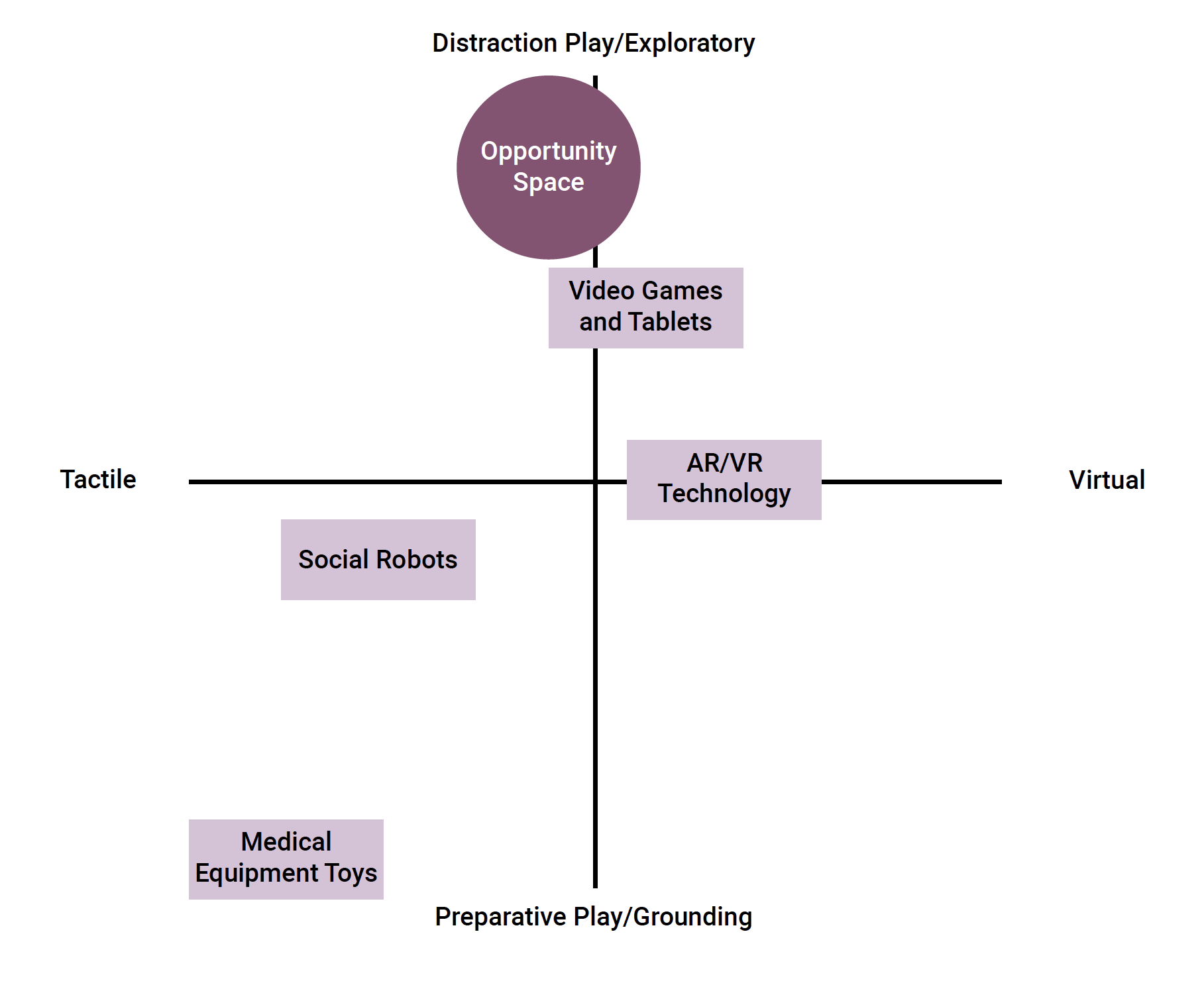
None of the competition emphasizes tactility and education while also providing an immersive virtual environment.
Based on the insights from my primary and secondary research, these are the reasons why The Immersive Play Box is needed and would benefit children staying in a hospital:
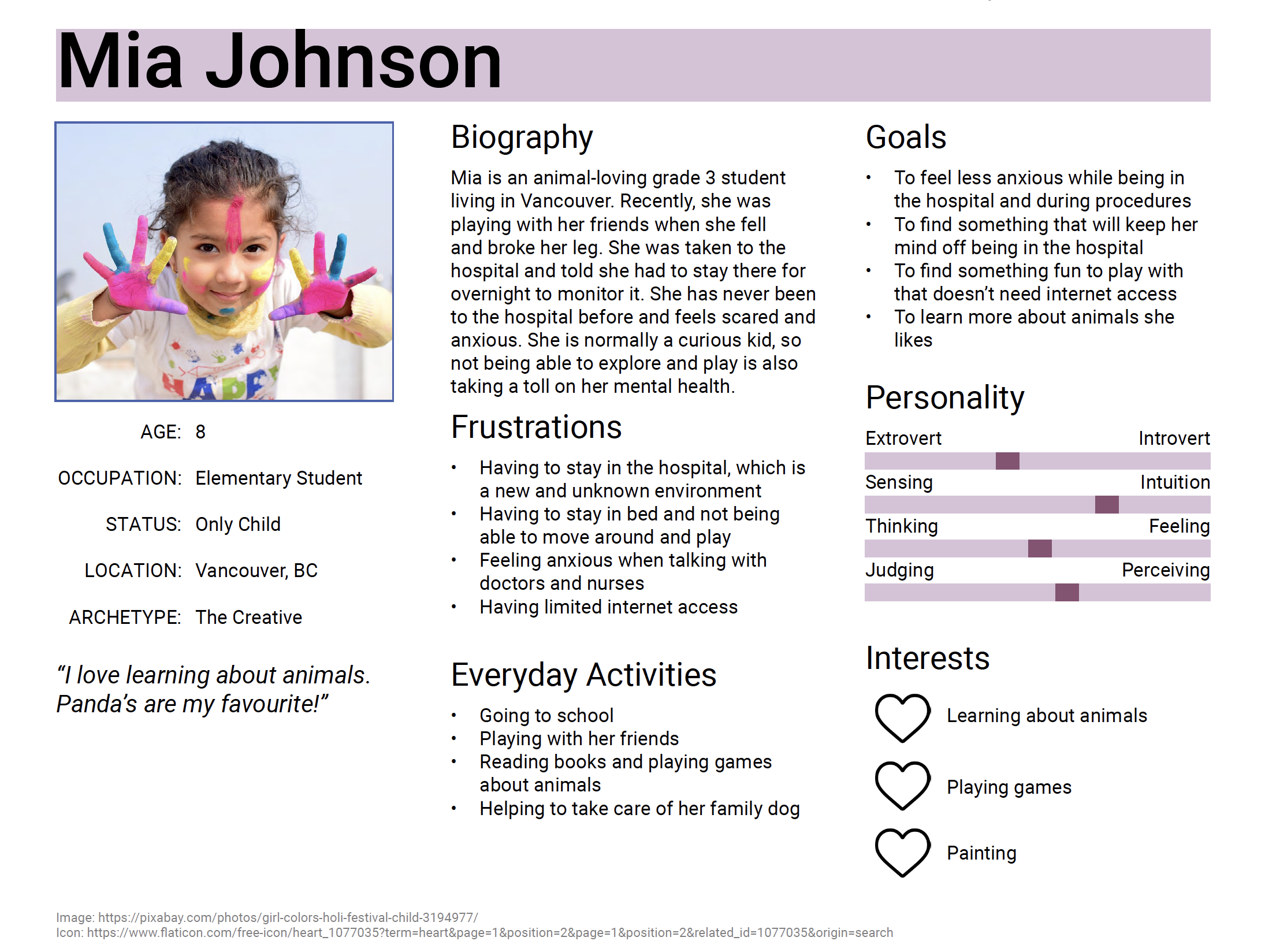
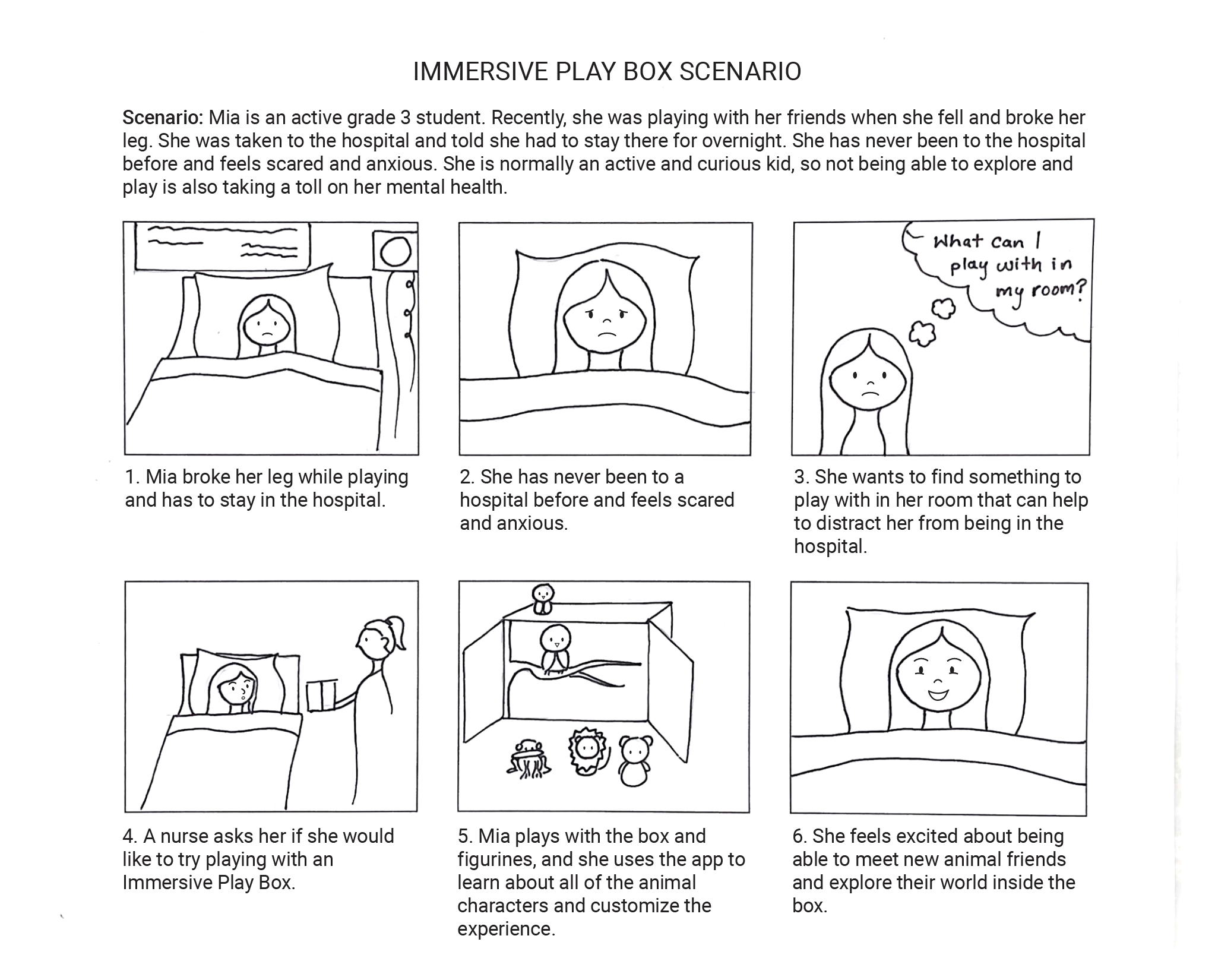
The key user group I focused on were hospitalized children aged 7-10 years old who are interested in animals.
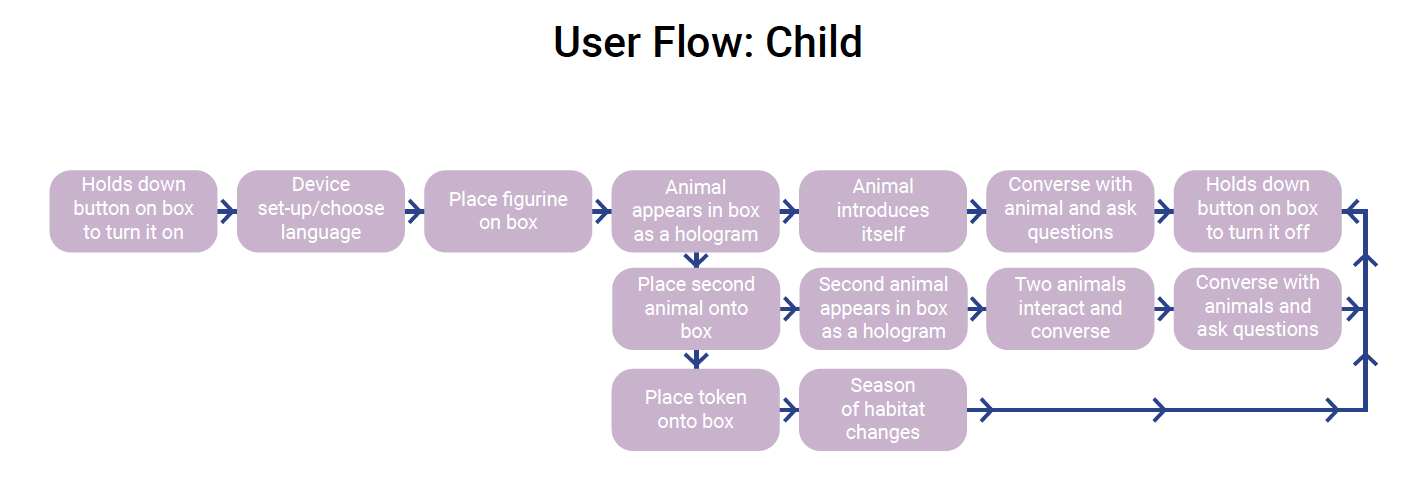

There are two key user flows for this device. One being the user flow the child would go through when using the device, and the other being what the hospital staff would go through when maintaining the device.
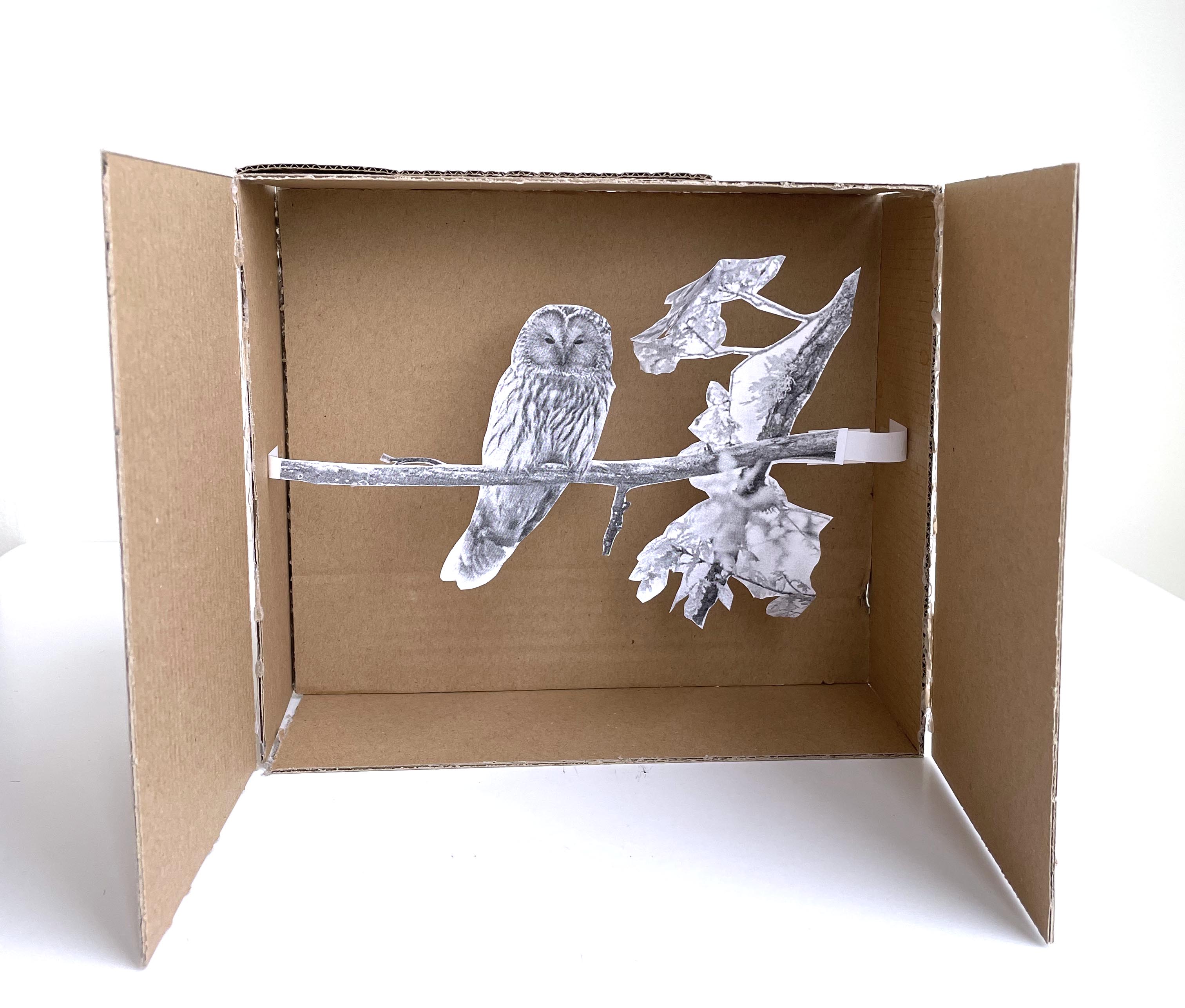
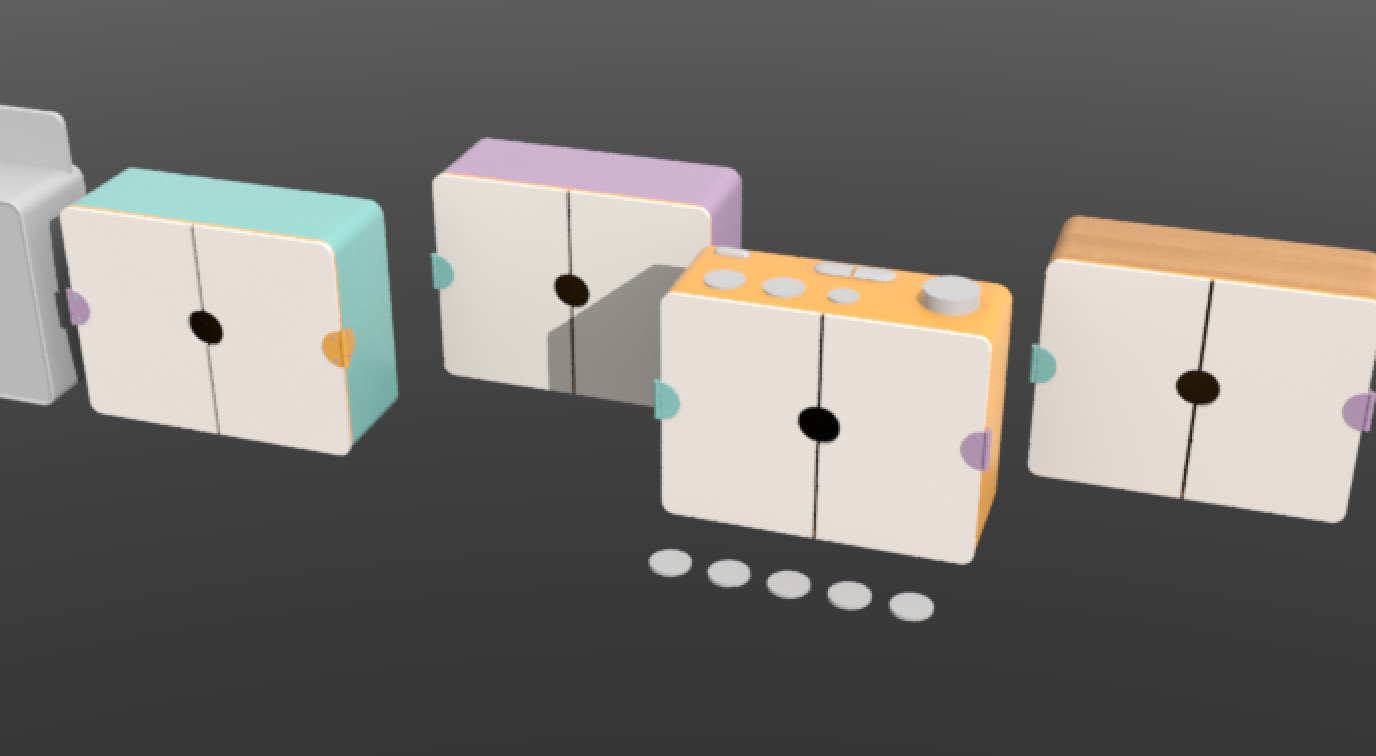
At first I was playing around with creating 3D models that had more of a traditional square box shape (like the physical cardboard prototype).
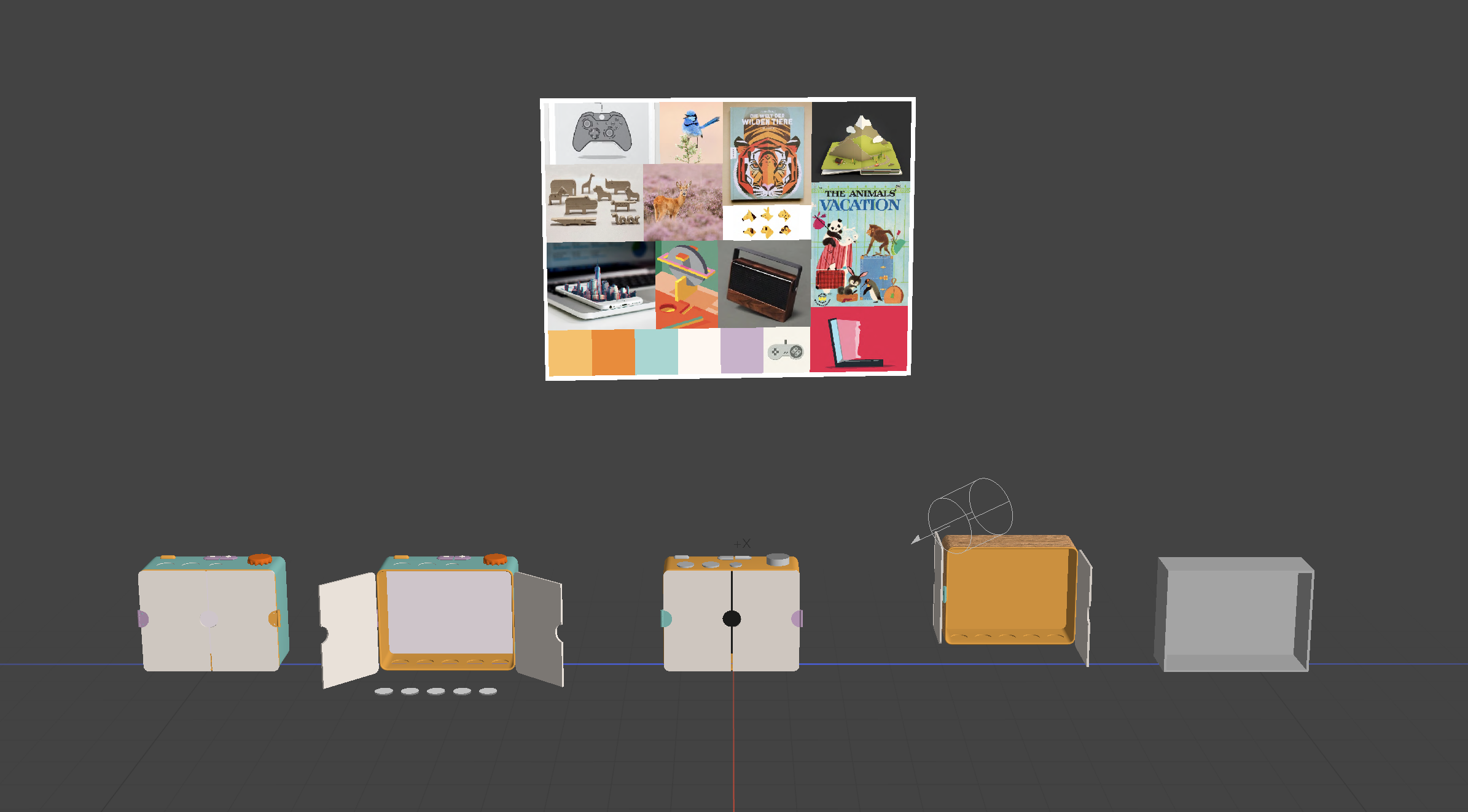
However, I was concerned that the sharper corners could potentially be a hazard in a hospital setting, so I decided to round out the shape.
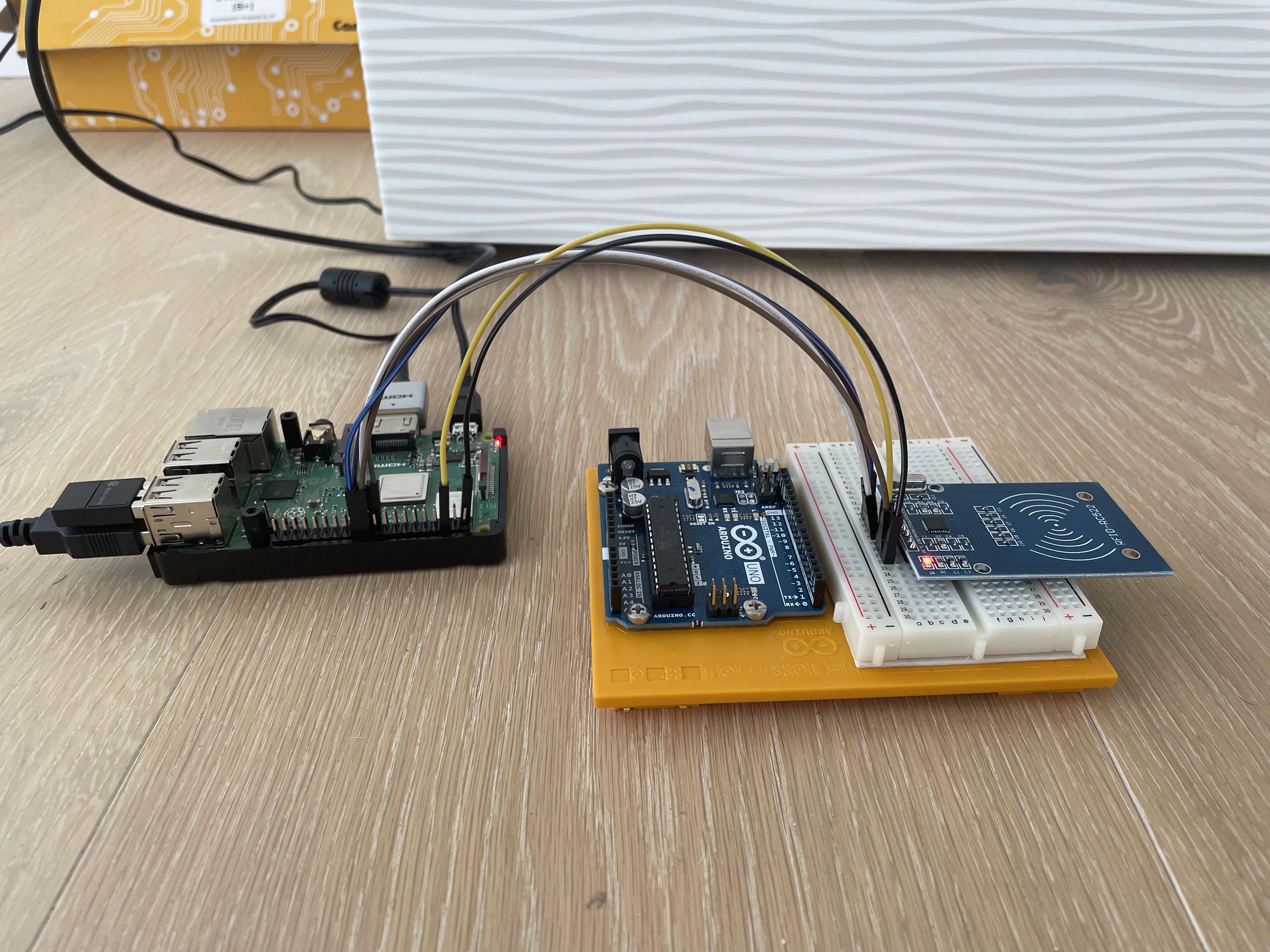
I prototyped the RFID sensor interactions using an Arduino Uno, a Raspberry Pi 3, and a RFID RC522 kit.
The goal for this prototype was to have the Arduino play a video file when the RFID tag is tapped on on the sensor. The tag represents the figurines that would be used with the Play Box to bring characters into the box as a hologram.
I was able to get the sensor working and retrieve the data from the RFID tags, but I was not able to get a video to play using the RFID sensor.
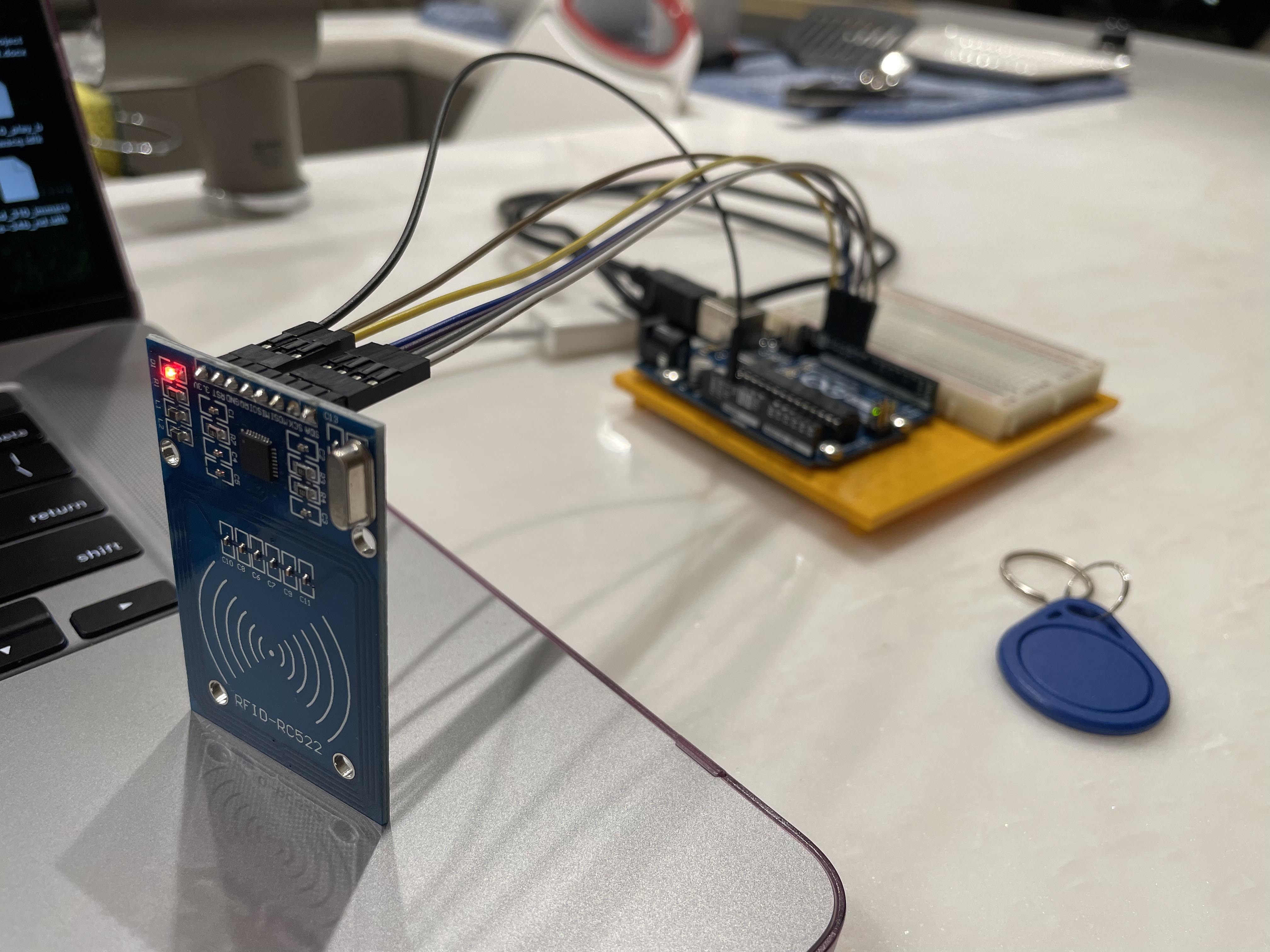
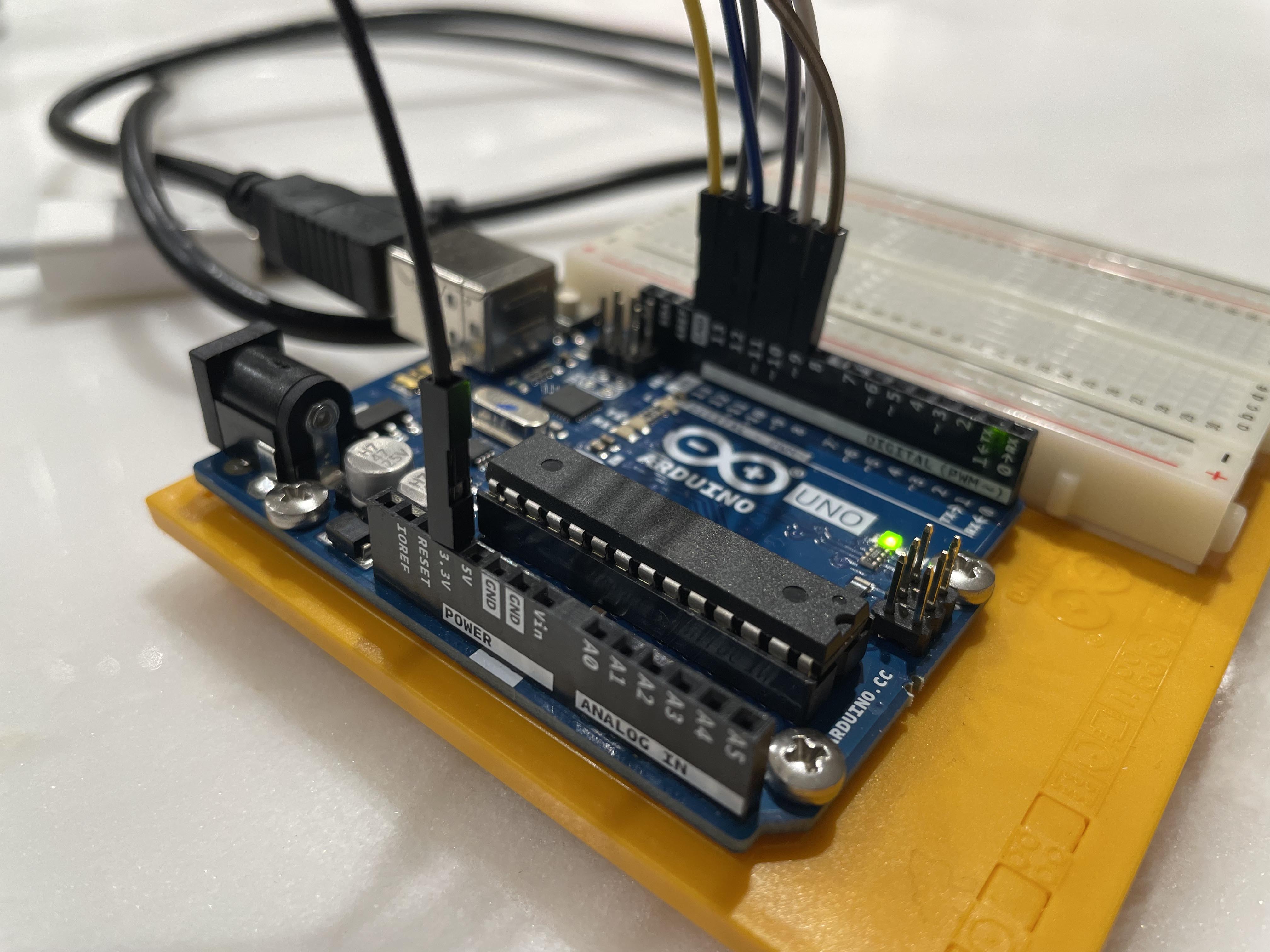
I used the breadboard that came with my Arduino and connected my Raspberry Pi to the RFID sensor.
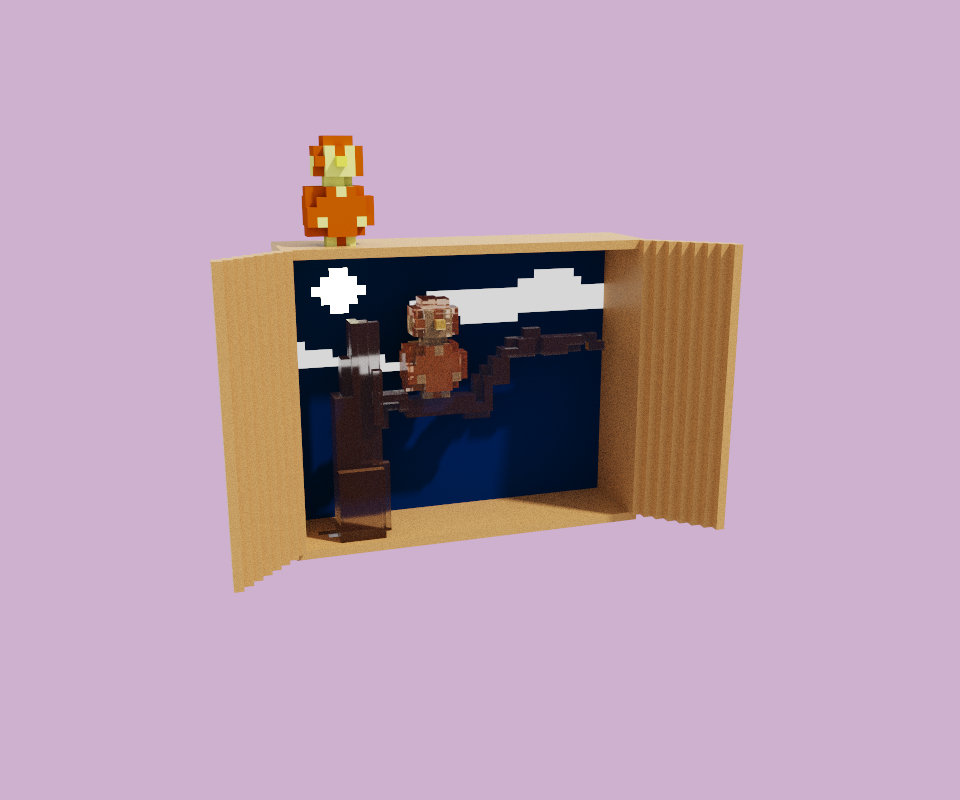
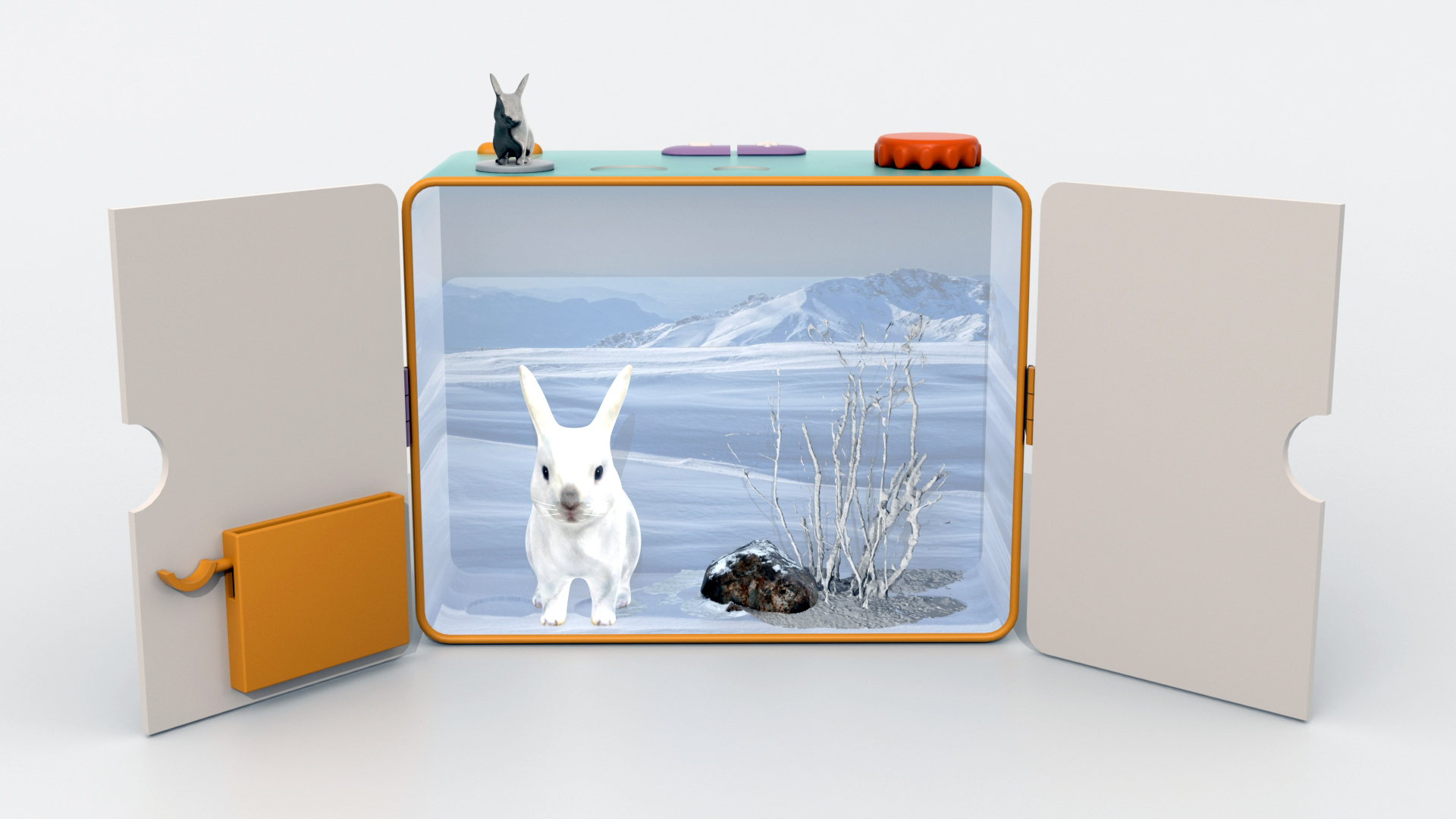
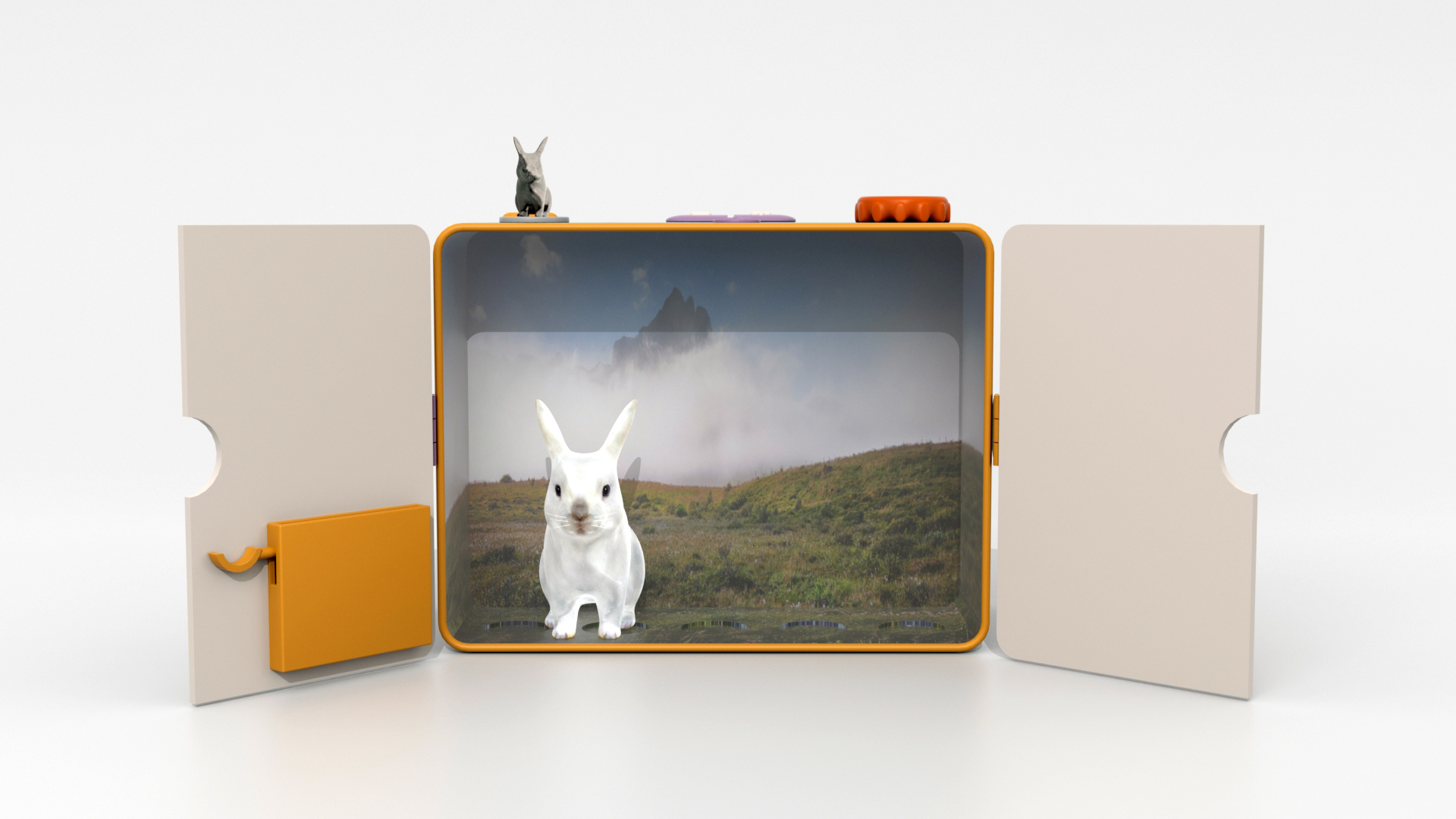
The video was created in Modo using the Play Box model displaying the arctic hare hologram scene. This prototype is simulating what would happen when the arctic hare figurine is placed on the Play Box.
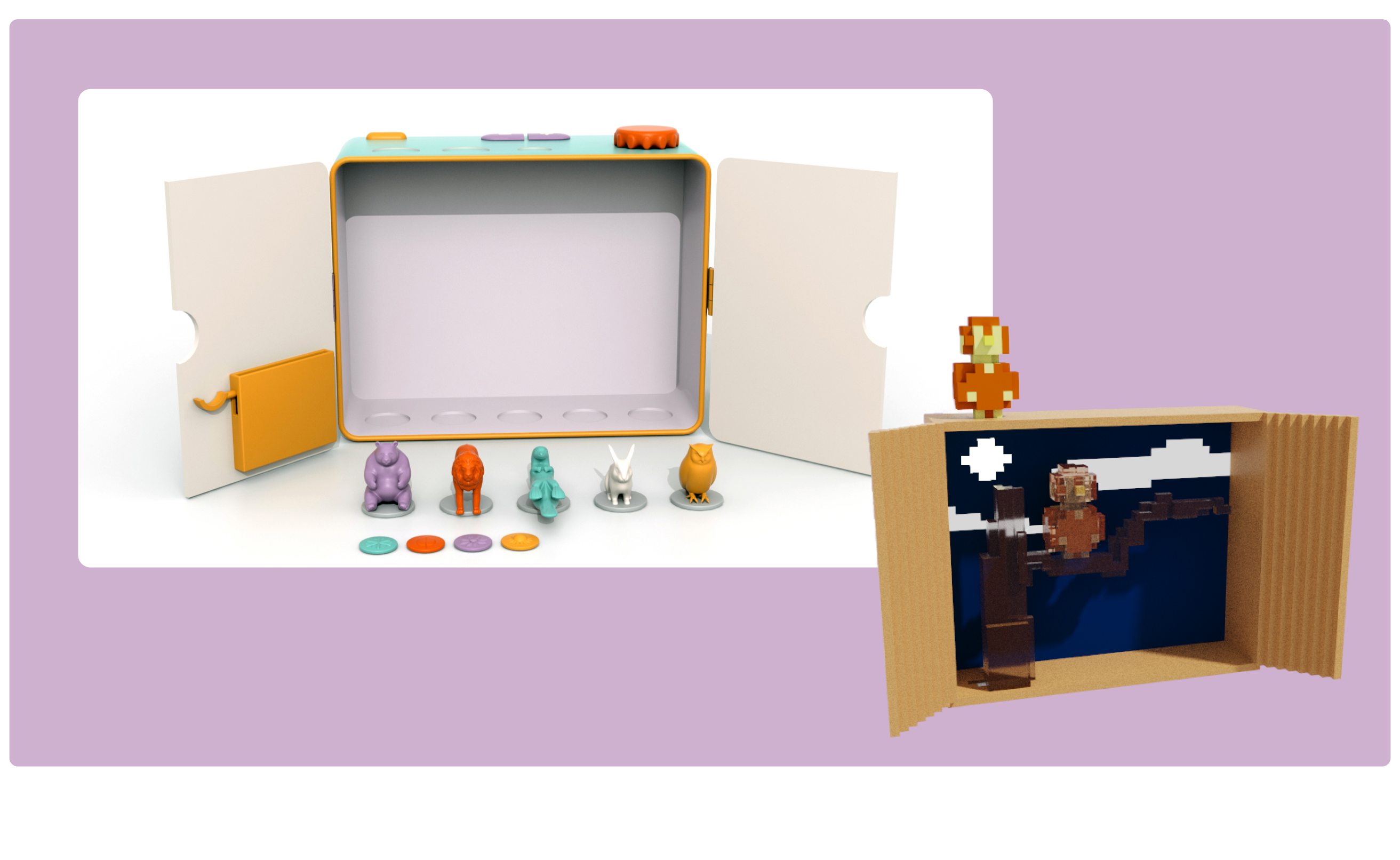
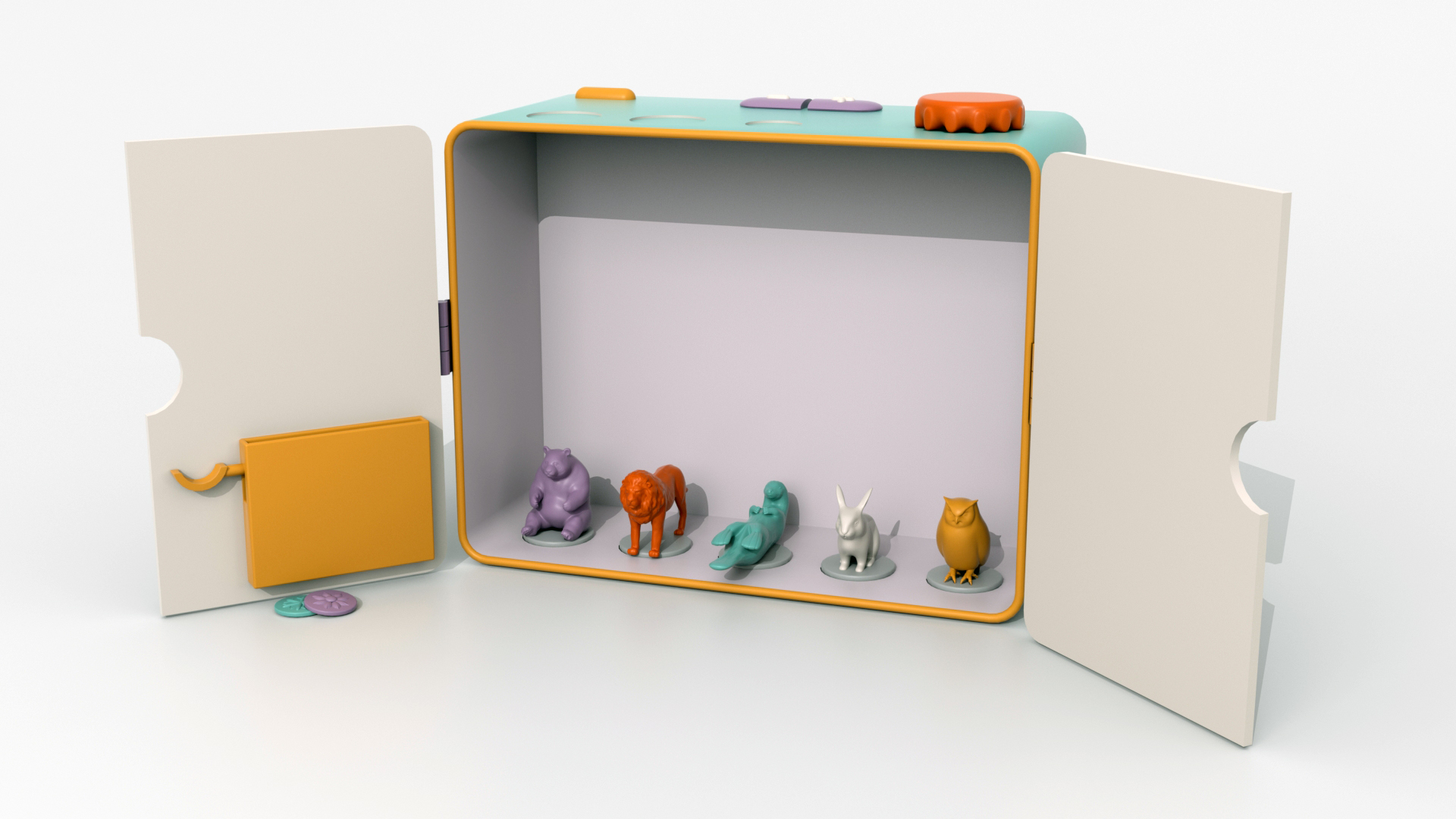
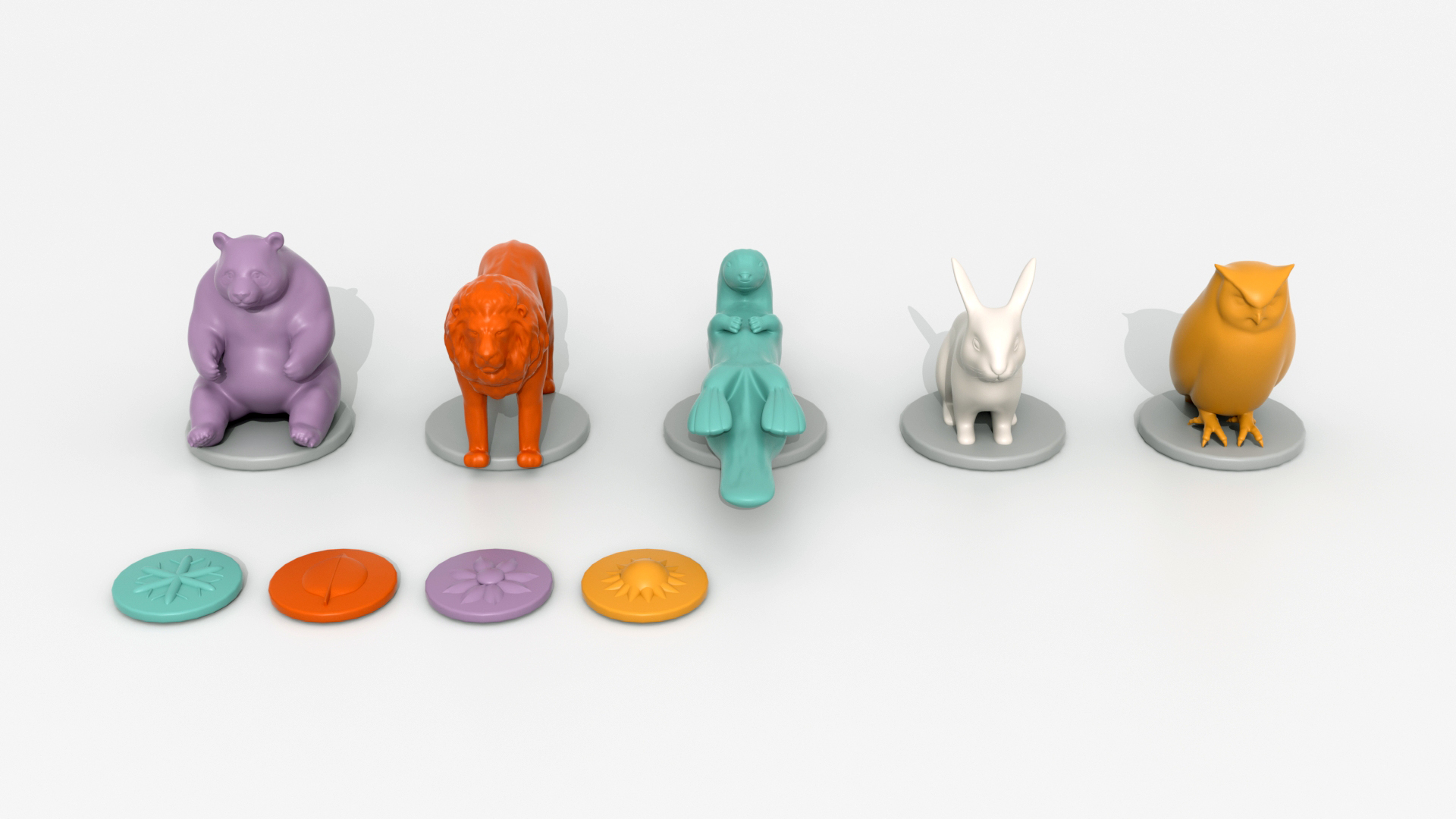
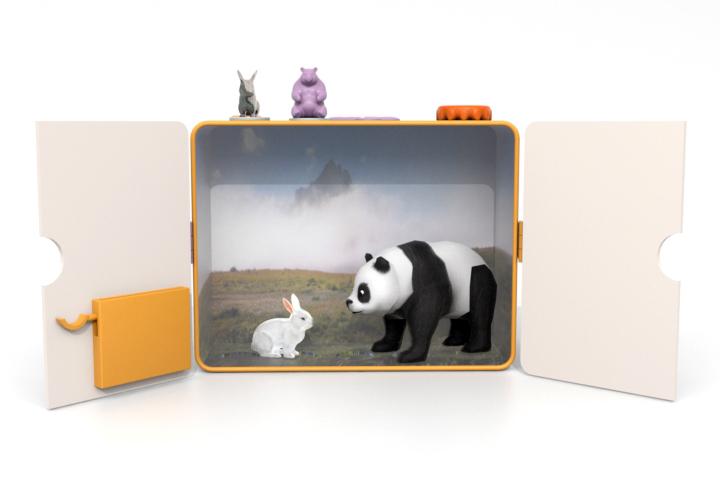
The Play Box will come with 5 animal figurines (Giant Panda, Lion, Sea Otter, Arctic Hare, and Great Horned Owl) and 4 seasonal tokens (winter, fall, spring, and summer).
Children can place 1-2 animal figurines on the box at a time, and they will show up inside the box as holograms. The first animal will determine the environment and the second animal will appear in the first animal’s habitat.
The season of the habitat can be changed by placing a seasonal token onto the box. When the season is changed the animals interact with the habitat differently and may change themselves depending on their adaptions (e.g. changing fur colour).
Sound is also incorporated through speech features, ambient environmental noise, and noises the animal makes. Children can talk to the animals and ask them certain questions and they will respond back.

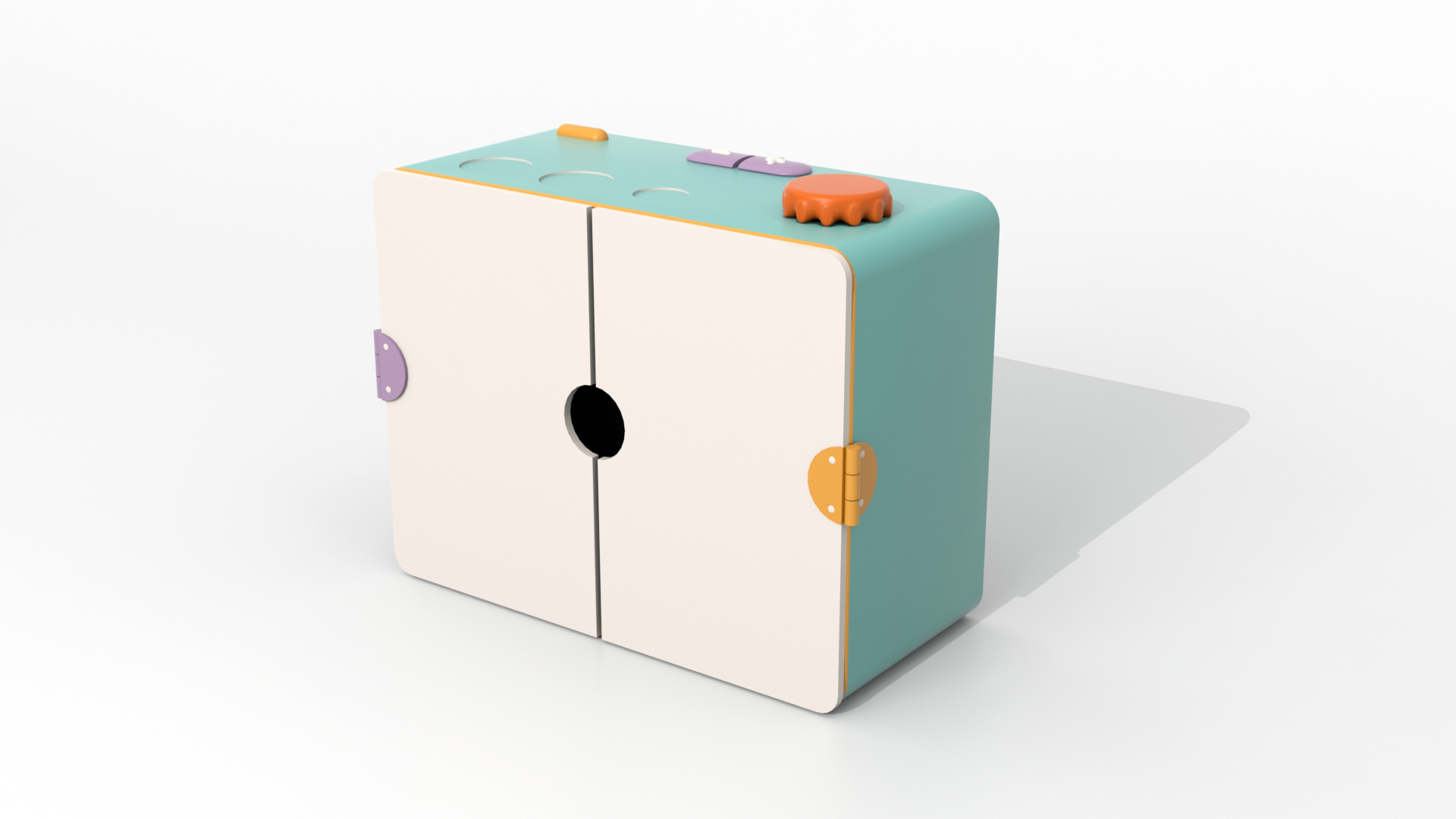
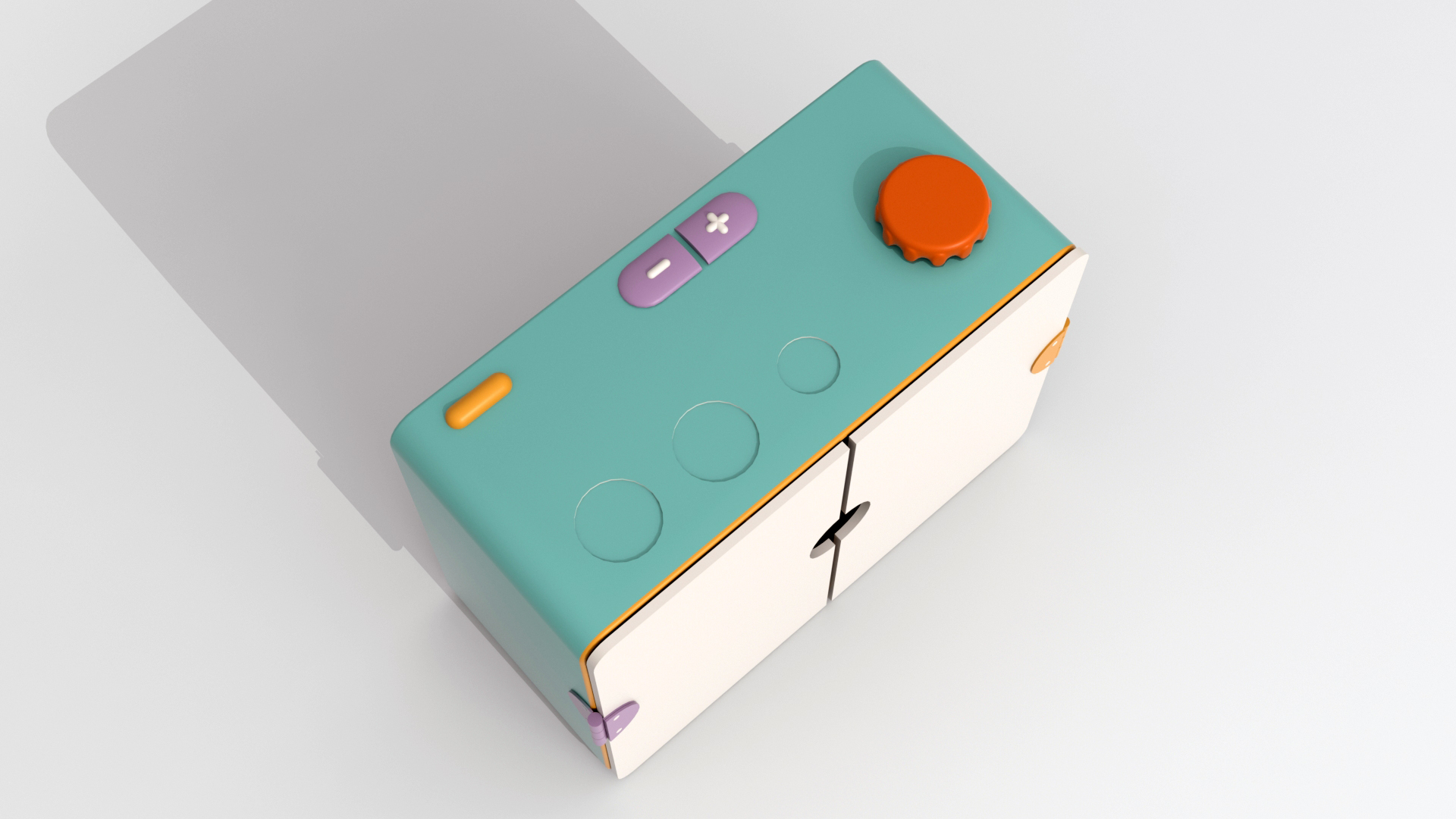
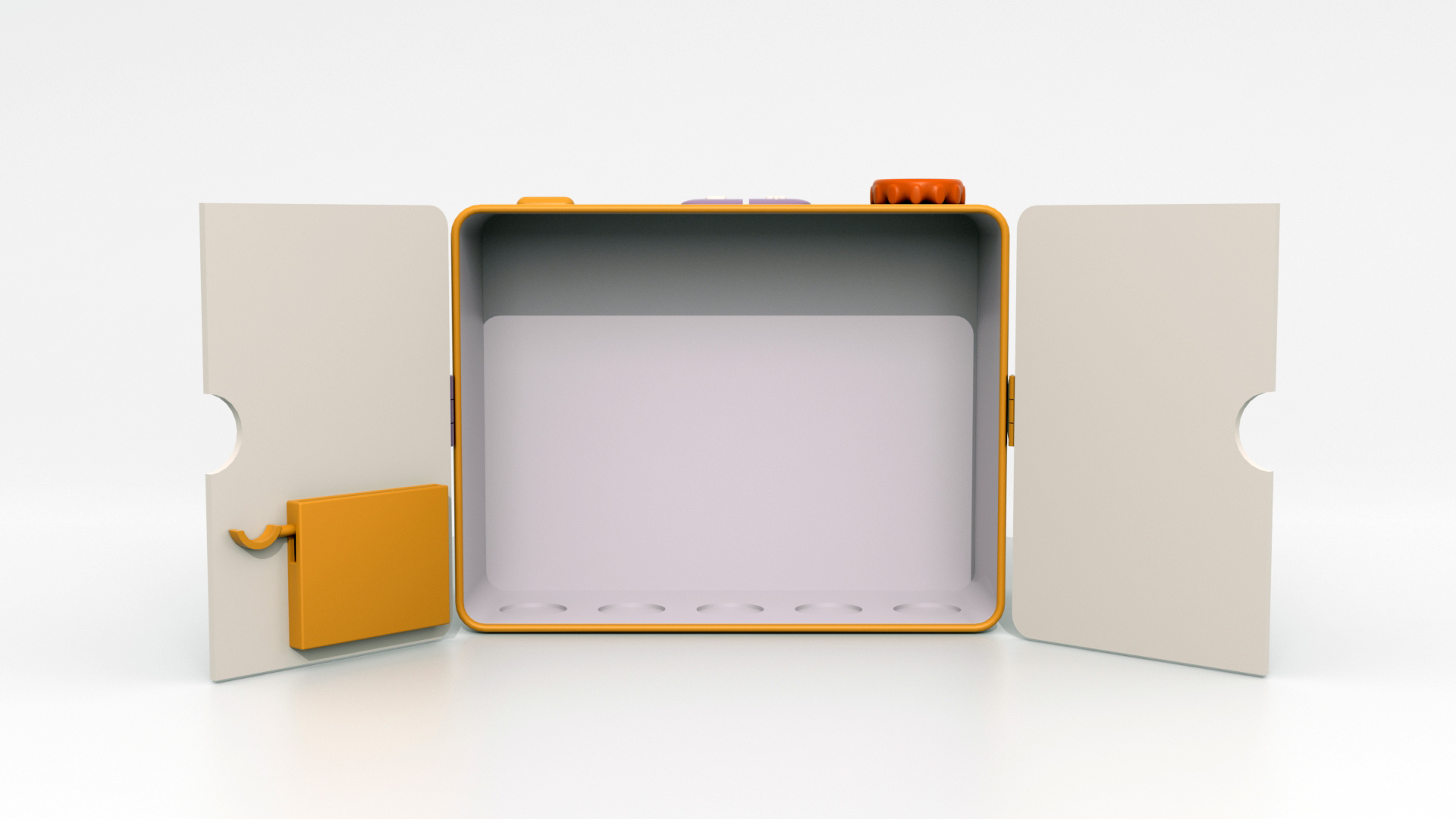
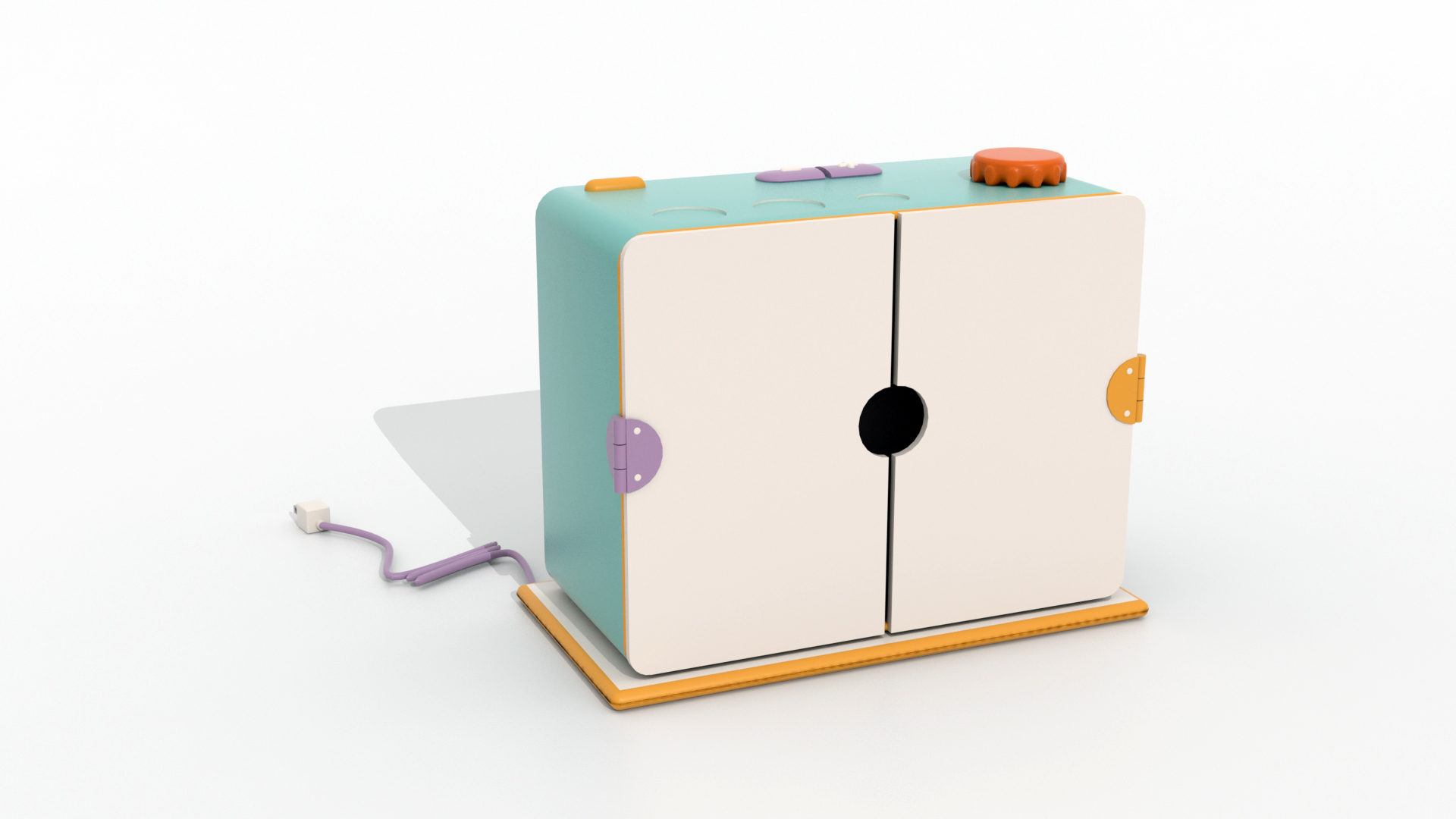
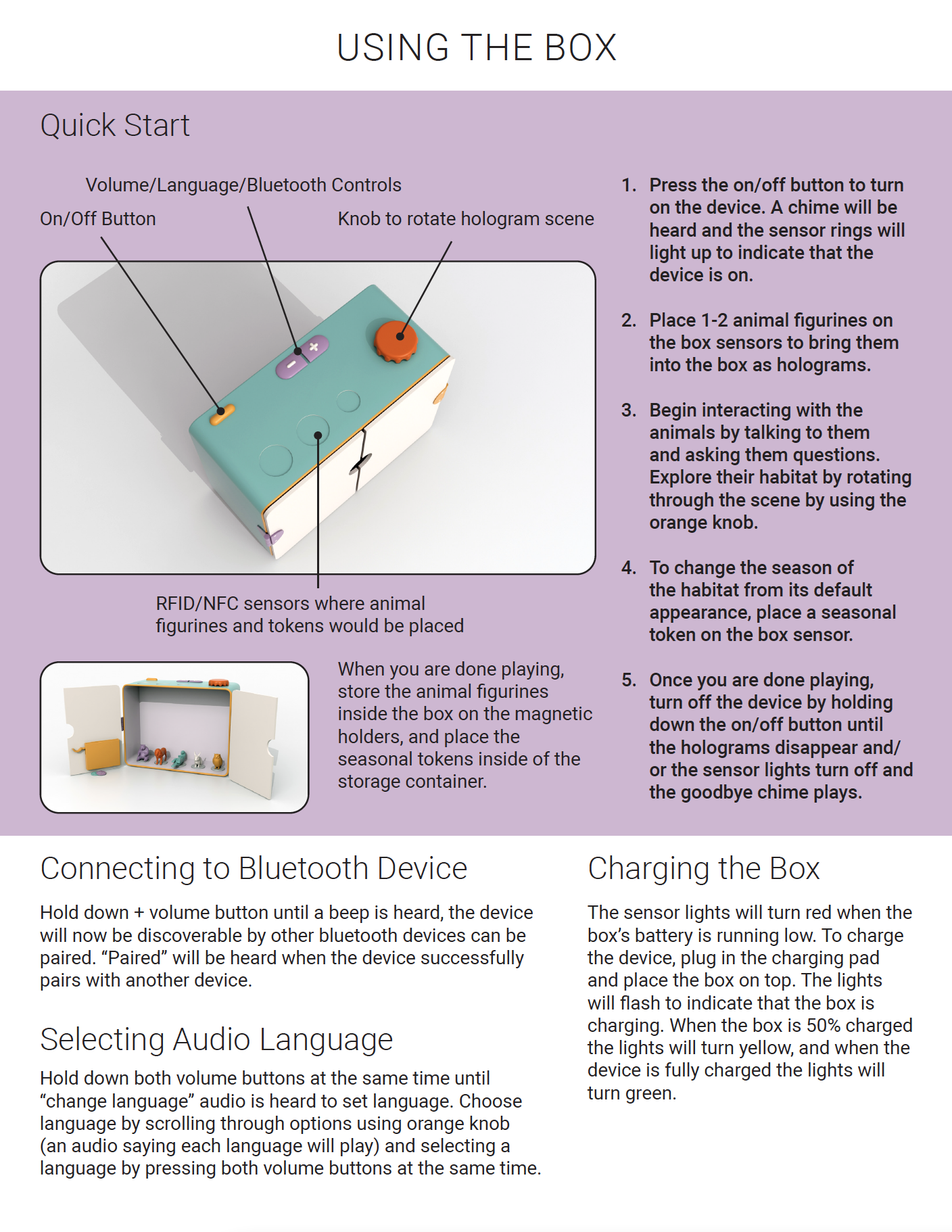
A nurse or child life specialist would explain how to use the box when it is first given to a child. For this reason, it is less likely that children will be reading the detailed instructions sections, so I left the main text areas of those sections smaller in order to fit more detailed information.
I targeted the Meet the Animals page more towards children, because I think they would want to read about what questions they can ask the animals.



The video features the Arctic Hare introducing The Immersive Play Box and giving the audience a tour of the device.
Throughout the design process, I gathered lots of valuable feedback that helped to shape this project. By speaking to a Registered Nurse working at BC Children’s Hospital I was able to gain key insights into my problem space, the realities and requirements of designing a device that will be used in a hospital environment, and my key user base.
I combined physical and holographic elements with the goal of making digital worlds more tactile and accessible. I hope there will come a day where fully accessible digital worlds become reality.

.png)